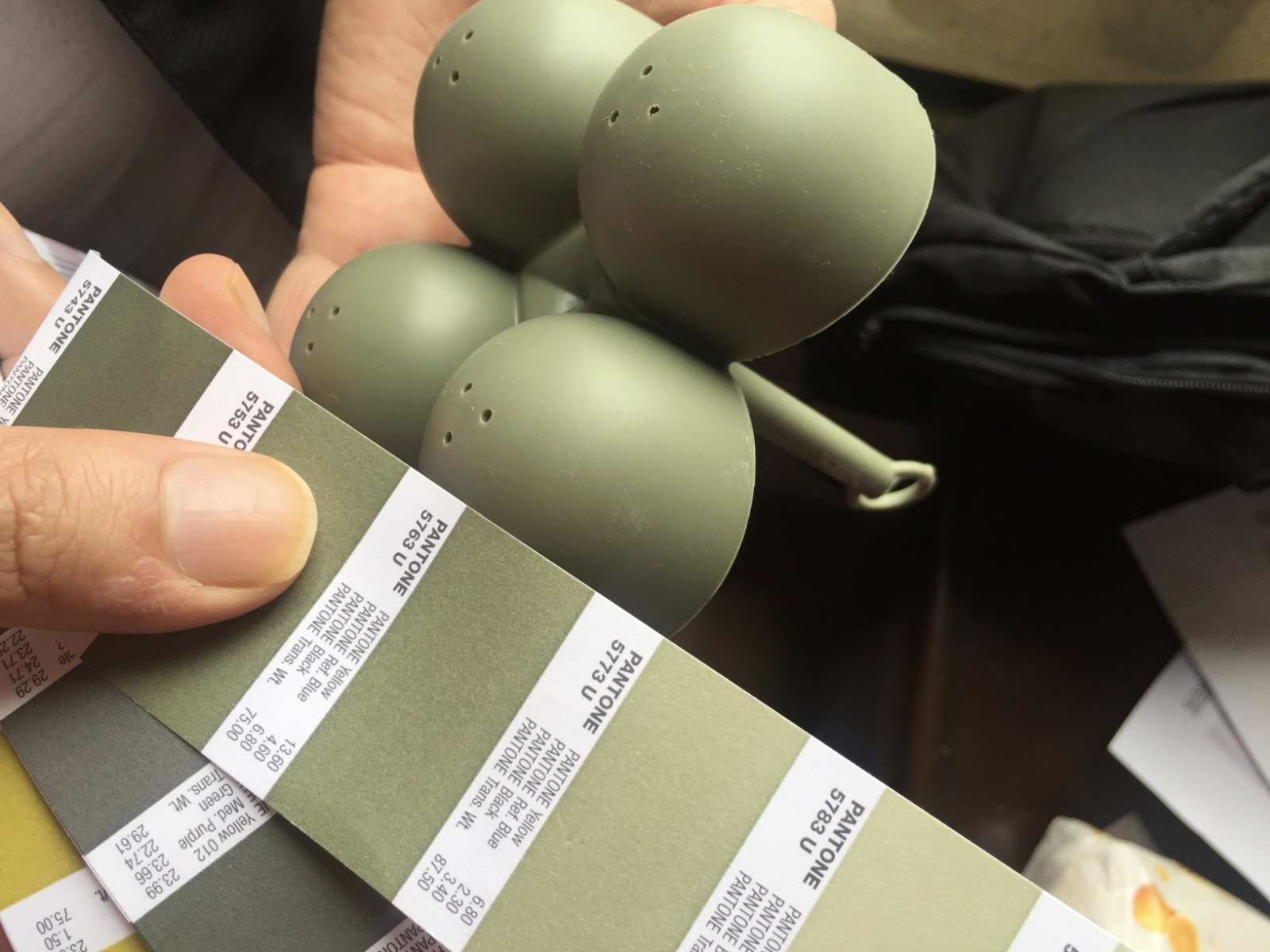
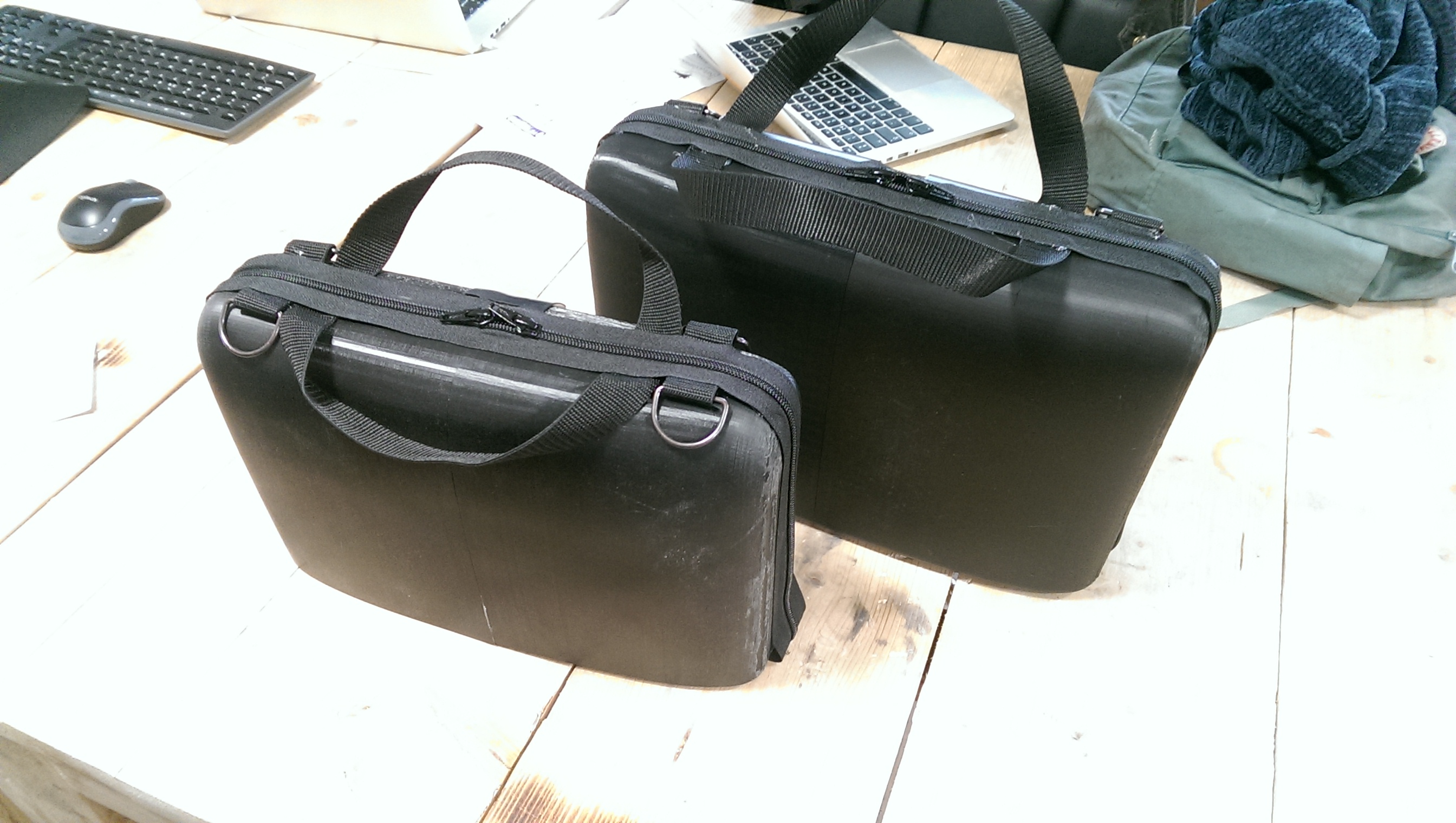
Early in the process we use a wide range of materials, or parts from existing products to make mock-ups as quickly as possible.
These are great for figuring out the optimal arrangement of parts, to try out functions and to test main dimensions.
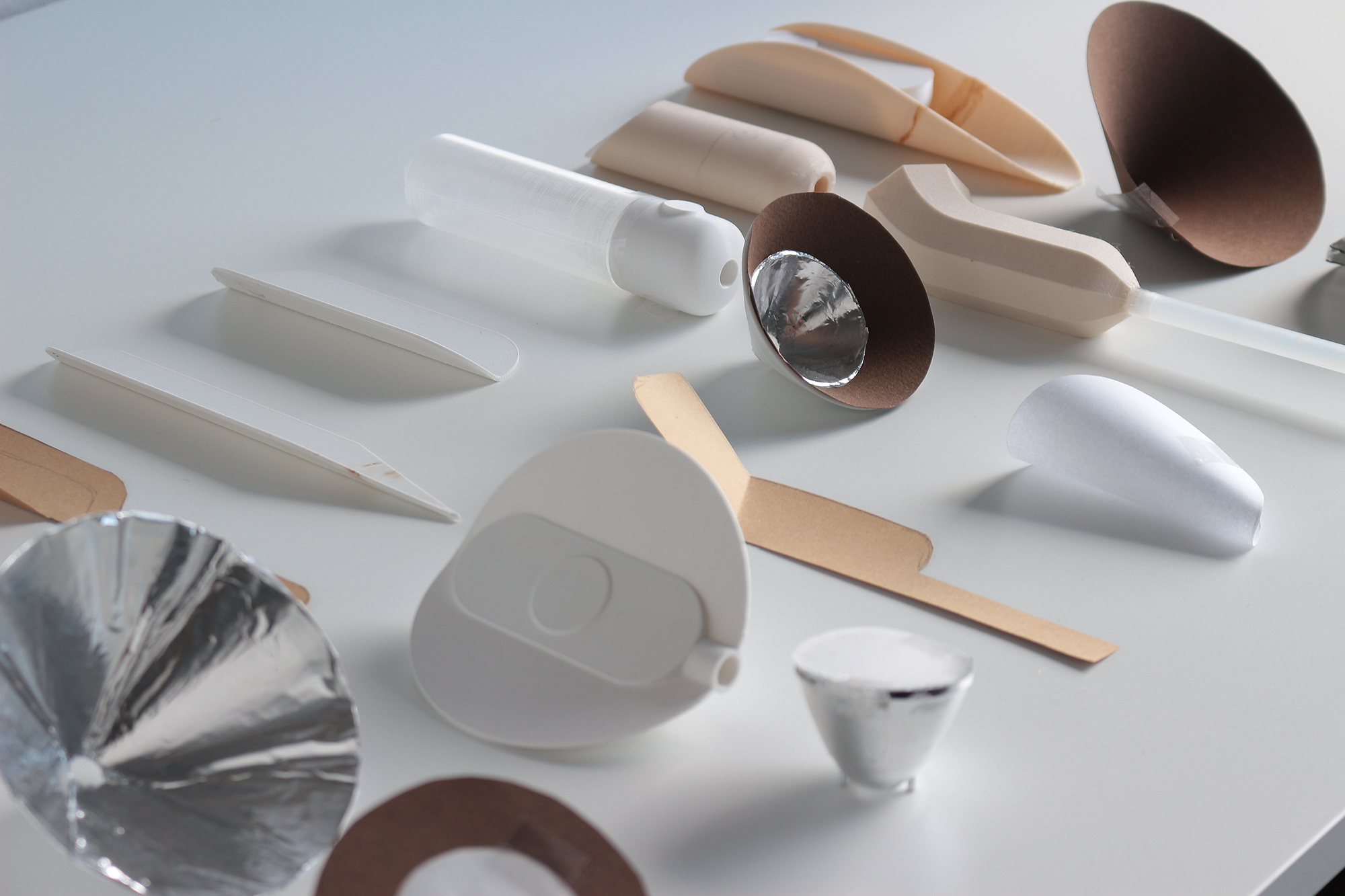
When the design starts to take shape, we fire up the 3D printer. These prototypes help us test the design, get early feedback and compare options.
Design by day, print by night - the last details often need several rounds of refinement until everything is perfect.

Moulds made of 3D printed parts can be necessary for more complex prototypes, or soft materials.
Soft rubber and silicone can be prototyped this way, with a varying degree of shore hardness.
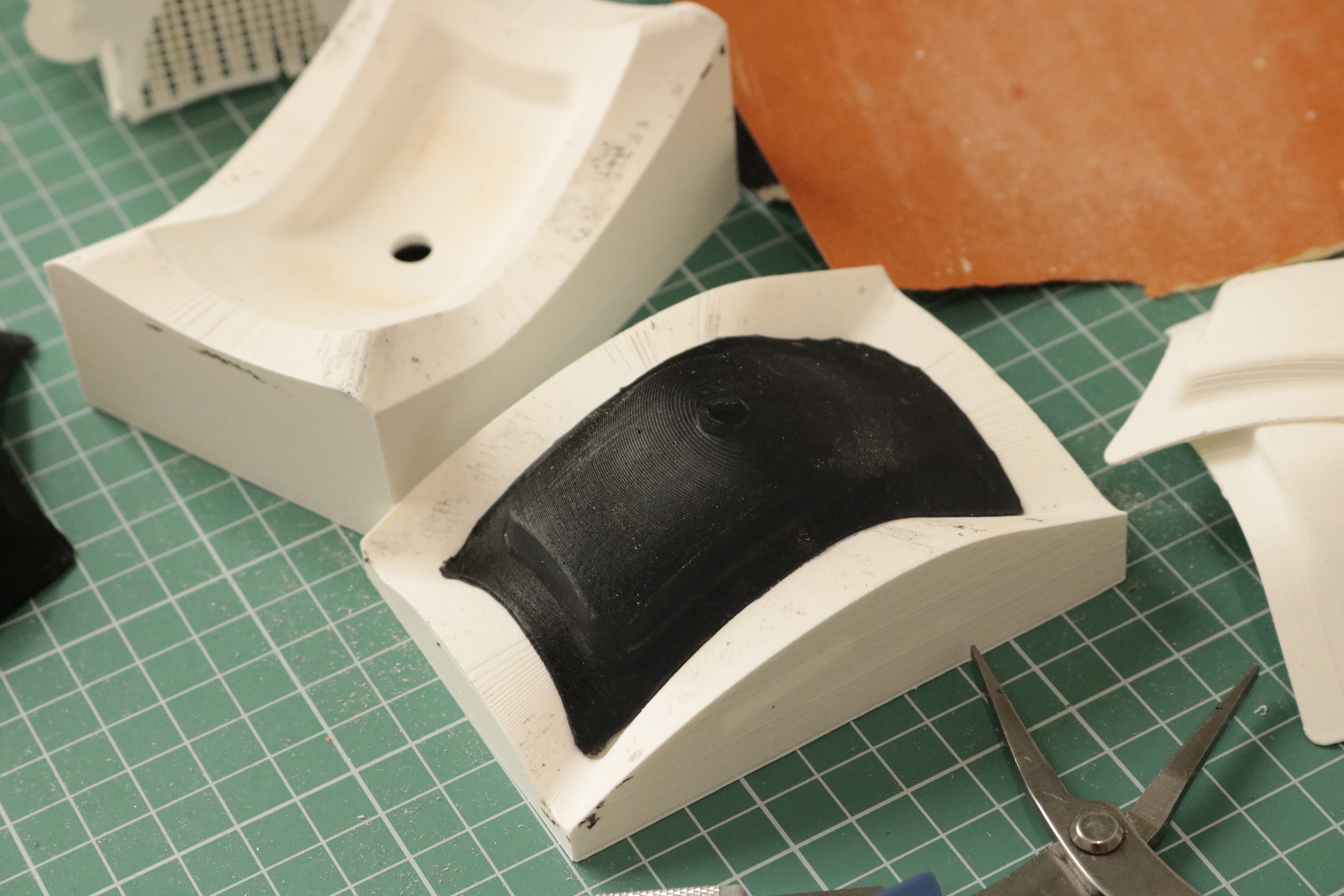
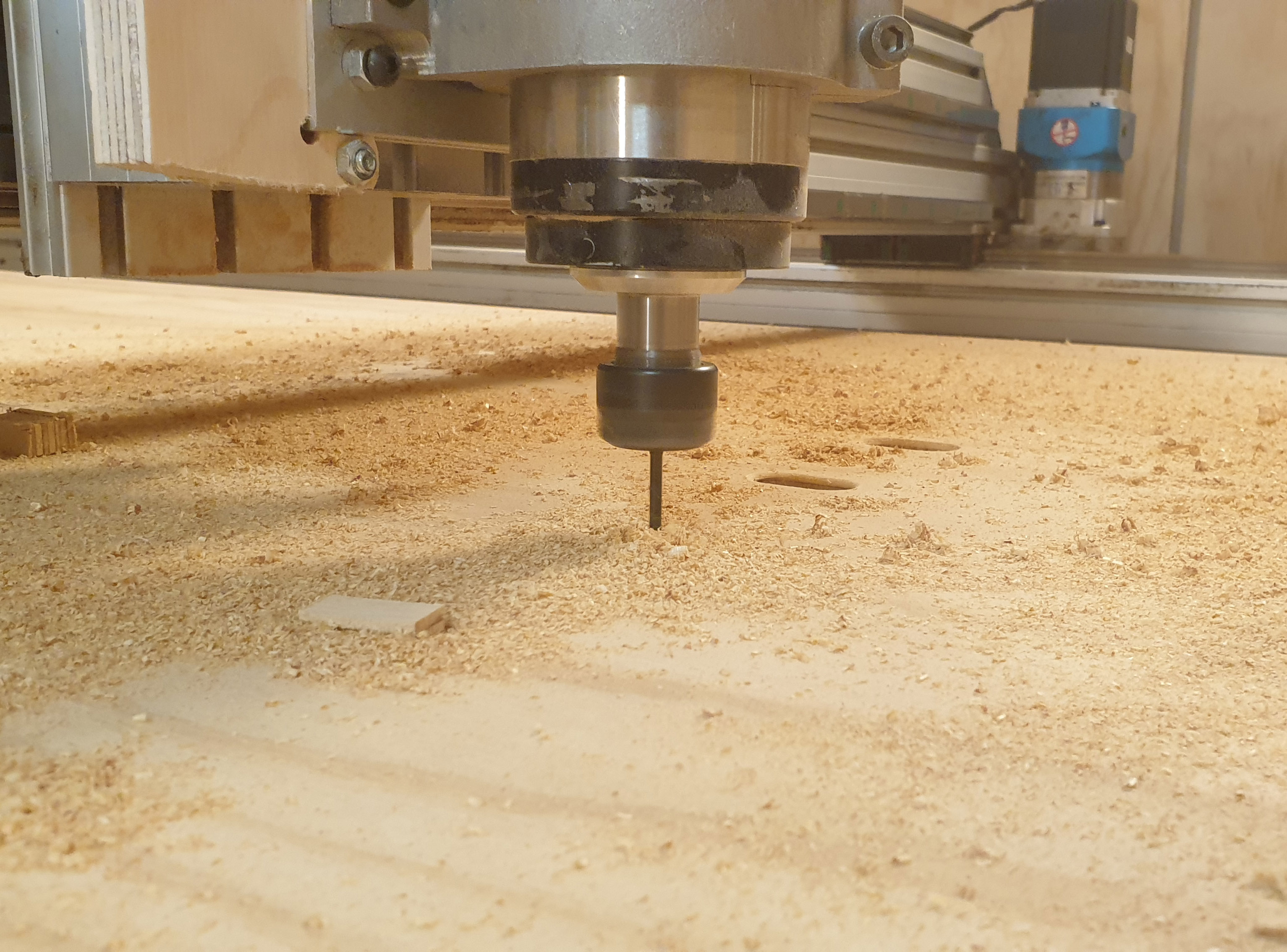
.. injection moulding, woodworking, vacuum forming, welding, vacuum casting. The list of processes that can be used to make a prototype goes on and on.
When the design is done, the manufacturer makes a final prototype, and/or a production sample.
We check and test these samples to make sure that the design is implemented as intended, and the factory doesn't cut corners in order to save costs.